August 21, 2020
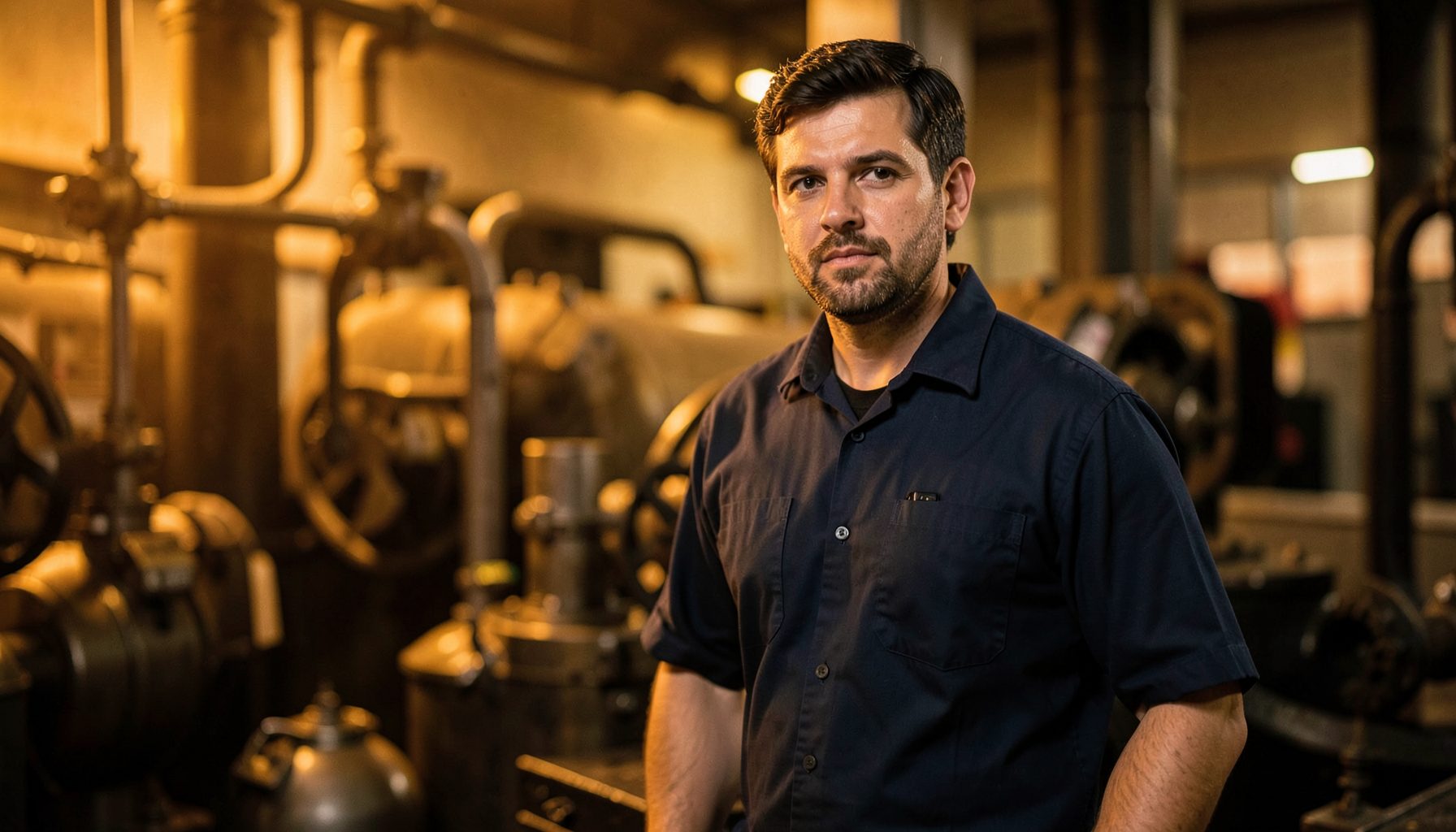
Your Comprehensive Guide To The Best FR Shirts For Welders
How the right FR shirt can protect against electrocution, burns, and arc flash hazards on the job.
When selecting flame resistant clothing for the workplace, understanding the difference between treated and inherently FR fabrics is essential. Treated fabrics are cotton or cotton-blend materials that have been chemically processed to resist ignition, offering a comfortable feel that many workers appreciate. Inherently FR fabrics, on the other hand, are made from fibers that are naturally flame resistant due to their chemical structure, providing permanent protection that will not wash out over time. Both options have their place depending on the work environment, the level of hazard exposure, and personal comfort preferences. Whichever type you choose, proper fit and layering play a significant role in how well the protection performs when it matters most.
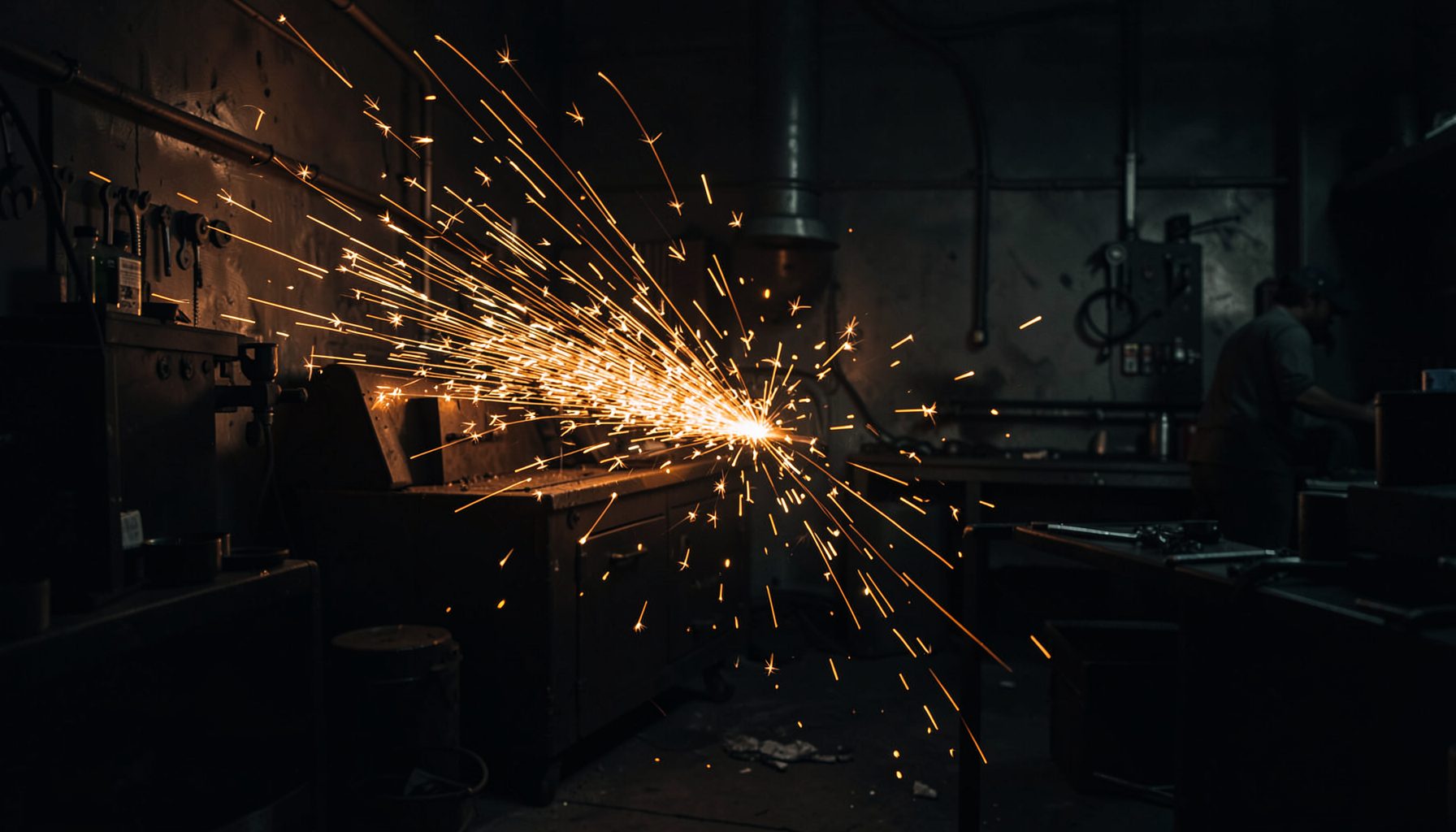
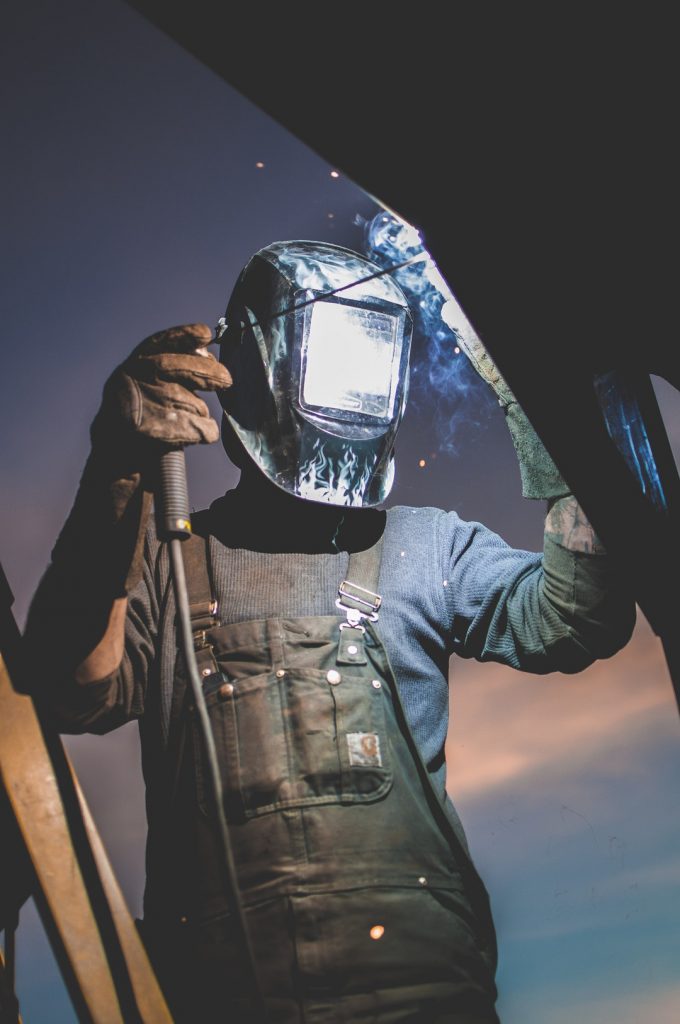
Flame resistant welding apparel goes beyond standard FR shirts and pants to include specialized gear designed for the unique hazards of welding work. Leather welding sleeves, aprons, and capes protect against sparks, molten metal, and radiant heat that can quickly damage standard fabrics. Many welders combine FR cotton clothing underneath leather outer layers for comprehensive protection. The key is ensuring that all layers worn together are flame resistant, as non-FR underlayers can melt or ignite when exposed to high heat. Proper maintenance of welding leathers is also important, as cracked or dried-out leather loses its protective qualities. Regular inspection and conditioning help extend the life of this essential safety gear.
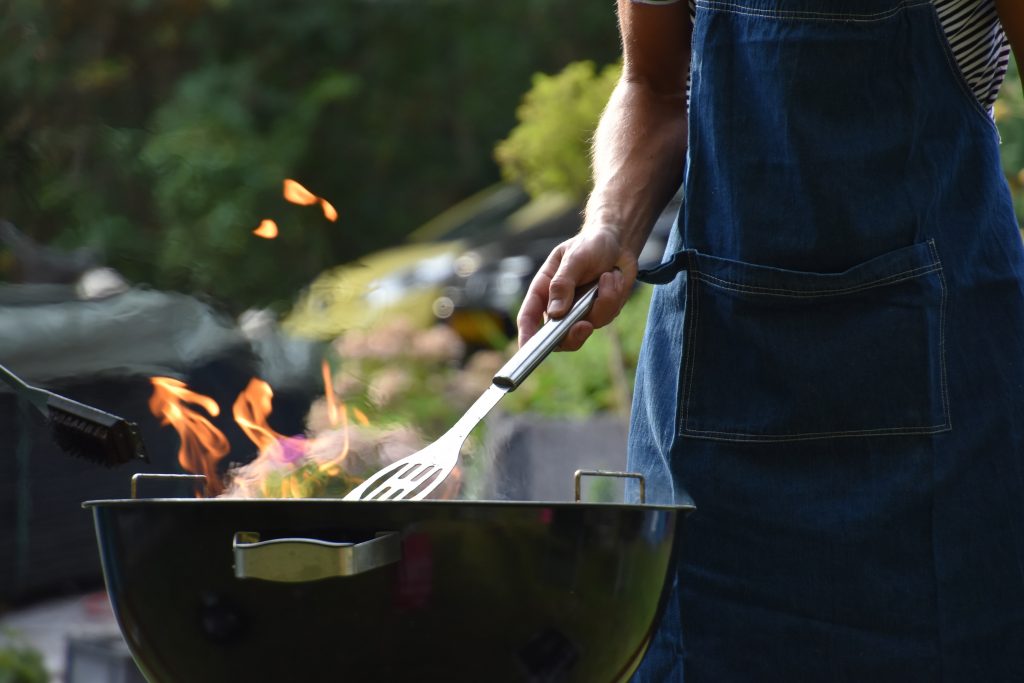
For those who work around heat sources but not necessarily in industrial settings, flame resistant clothing offers valuable protection for grilling, cooking, and outdoor work. Cotton FR shirts, aprons, and gloves provide a barrier against sparks, flare-ups, and radiant heat while remaining comfortable enough for extended wear. Many people do not realize that everyday cotton clothing can ignite and continue burning, while properly treated FR cotton will self-extinguish when the flame source is removed. This makes FR apparel a smart choice for backyard chefs, woodworkers, and anyone who spends time around open flames or hot surfaces. Investing in quality FR gear means greater peace of mind during these activities.
Caring for flame resistant clothing correctly is just as important as choosing the right garment in the first place. Improper washing can strip away chemical treatments or damage the fibers that provide protection. Generally, FR clothing should be washed separately using mild detergent without fabric softeners or bleach, which can compromise flame resistance. High heat drying should also be avoided, as it can weaken the fabric over time. Following the manufacturer's care instructions helps ensure that the protective qualities last for the garment's intended lifespan. Workers who take the time to maintain their FR gear properly will find that it performs reliably and lasts longer, offering better value over time.
The fit of flame resistant clothing directly affects both safety and comfort on the job. Garments that are too tight can restrict movement and may not provide adequate air gaps for insulation against heat, while overly loose clothing can snag on equipment or expose skin during certain movements. Most FR workwear is designed with a relaxed fit that allows for easy layering and full range of motion. Features like reinforced seams, adjustable cuffs, and strategically placed pockets add functionality without compromising protection. Taking the time to consult sizing charts and understand how different brands fit can make a significant difference in daily comfort and long-term safety. Properly fitted FR clothing simply works better.
Articles and guides on FR clothing, welding safety, arc flash protection, choosing protective gear, and OSHA standards — written for welders, electricians, and tradespeople who work in hazardous environments.
August 21, 2020
How the right FR shirt can protect against electrocution, burns, and arc flash hazards on the job.
August 2020
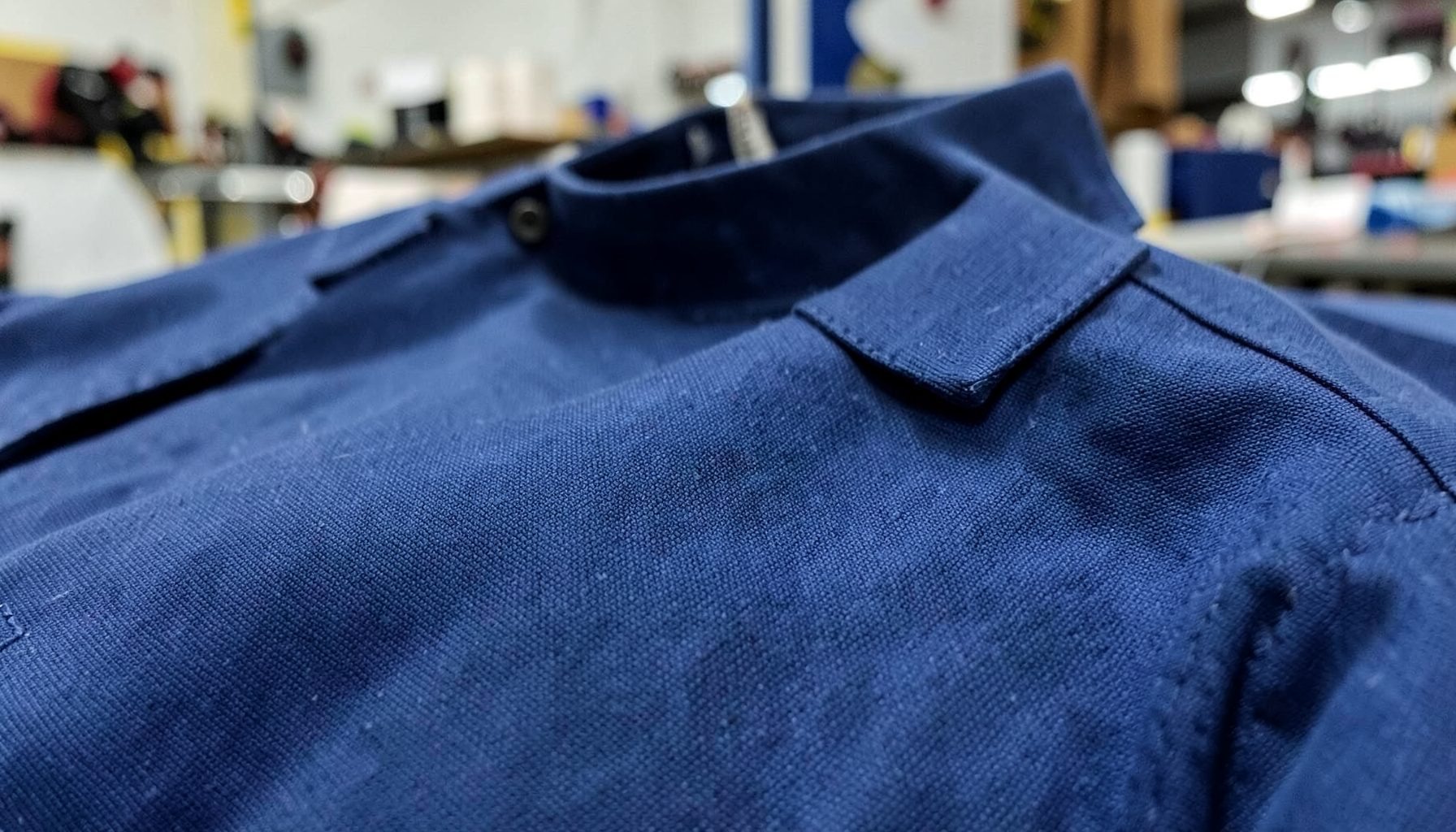
Why FR work shirts are essential for anyone exposed to heat, sparks, and electrical hazards.
August 2020
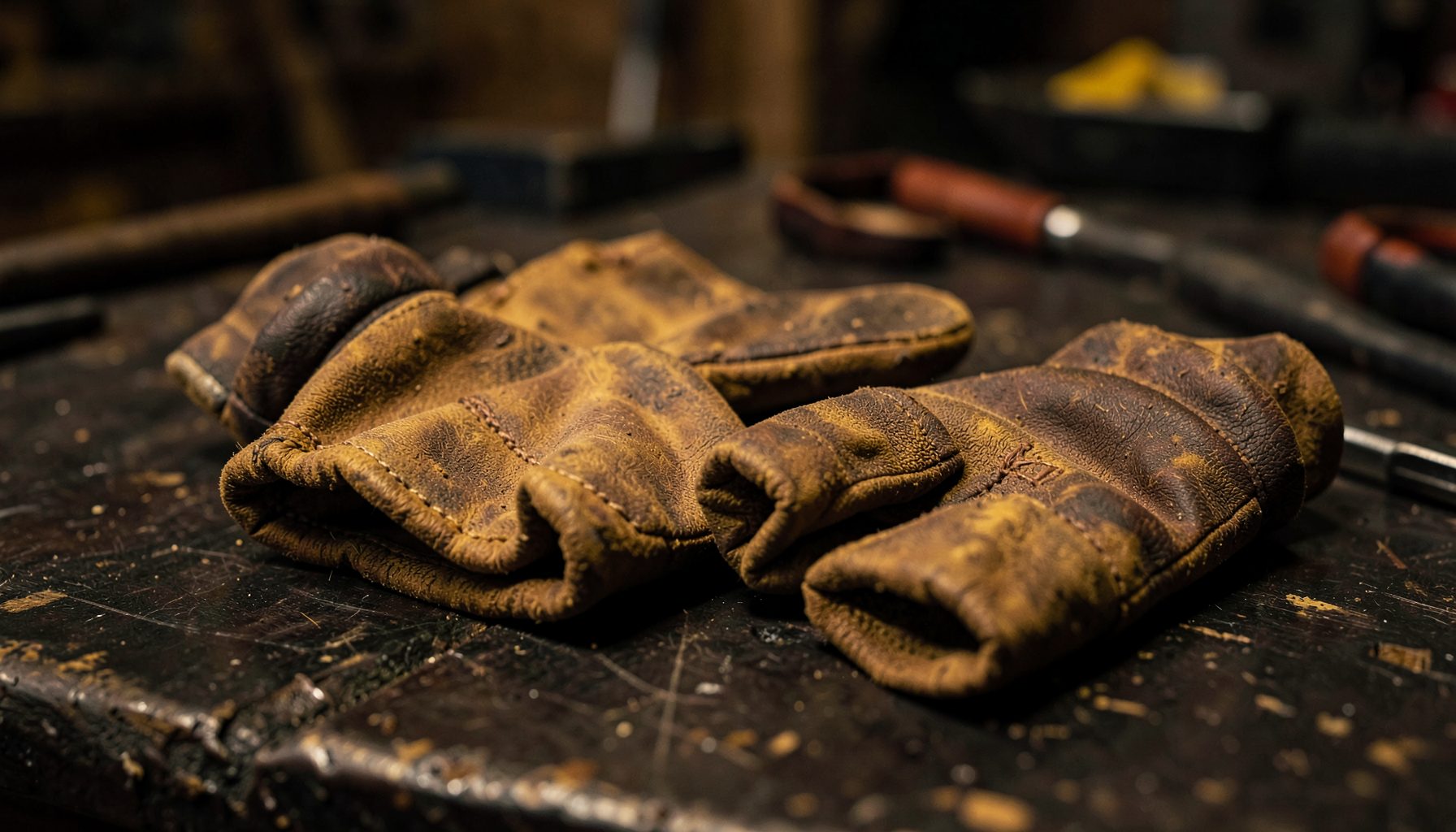
Key factors to consider when selecting welding gloves — from material to cuff style.
August 2020
What to look for in a BBQ apron — durability, material, and protection from heat and grease.
August 2020
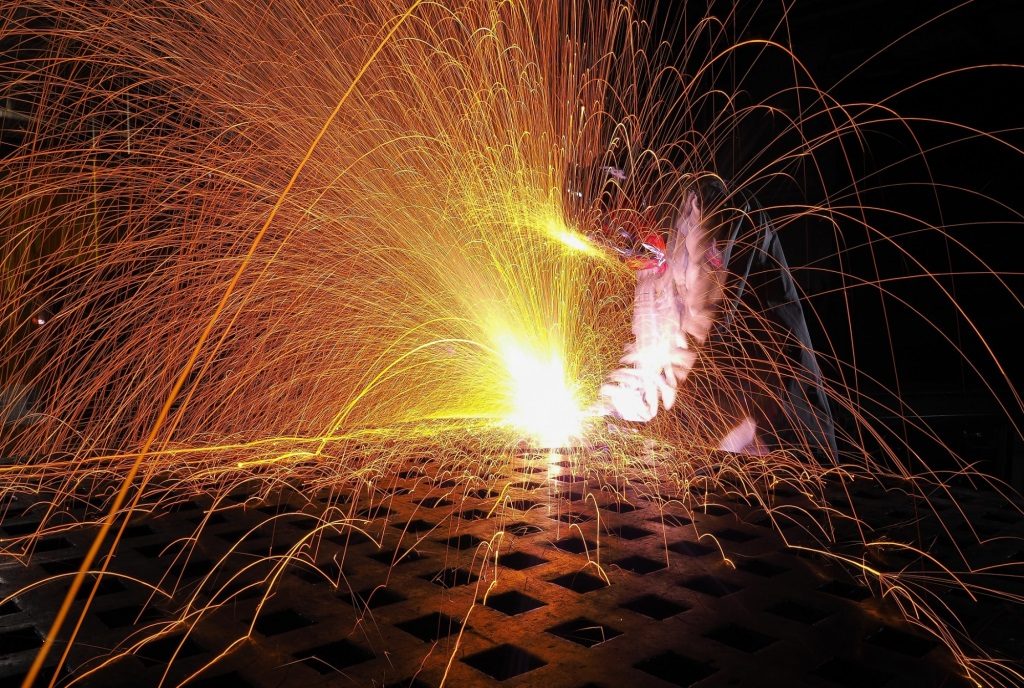
What an arc flash is, how it occurs, and why proper protective clothing is critical.
August 2020
The dangers welders face when working without flame-resistant protection — from burns to long-term injury.
August 2020
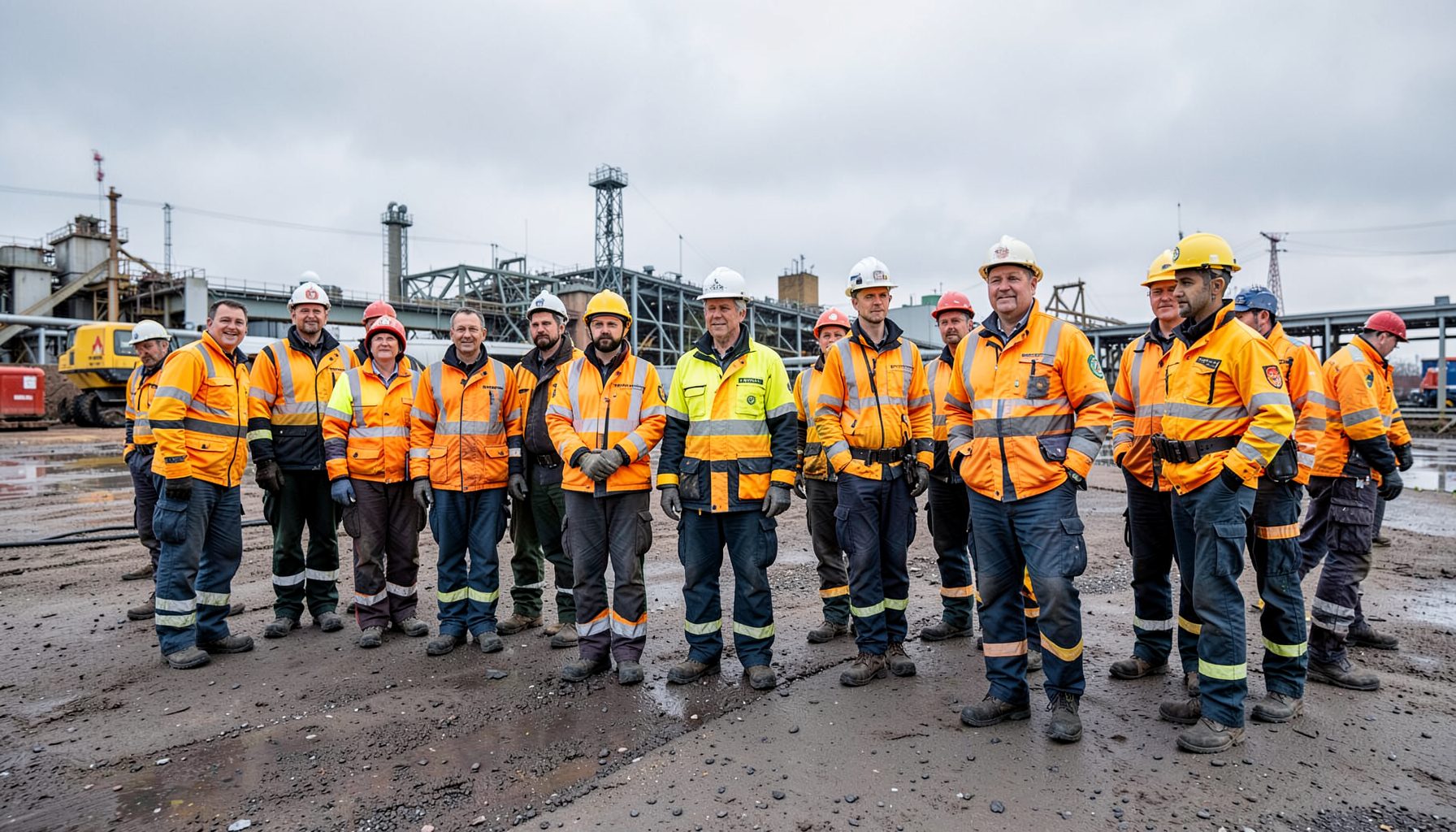
From oil and gas to electrical utilities — industries where FR clothing is a daily necessity.
August 2020
Understanding arc flash events and the protective measures that reduce risk on the job.
Looking for FR shirts, welding aprons, or gloves? Browse our full product line.
Shop All Products